
The Anatomy & Physiology Laboratory Manual, 7th Edition, is a comprehensive guide offering dynamic activities, experiments, and a histology atlas to enhance learning for students in allied health fields.
Overview of the Manual
The Anatomy & Physiology Laboratory Manual, 7th Edition, is a comprehensive resource designed for students in allied health fields, such as nursing and physical therapy. It provides detailed coverage of human anatomy and physiology through hands-on activities, experiments, and visual aids. The manual includes a histology atlas, dynamic exercises, and practical applications to enhance understanding. Each chapter focuses on specific organ systems, offering clear instructions and illustrations to guide students through lab work. Additionally, it features discussion questions, lab report templates, and case studies to reinforce learning. Available in both print and digital formats, the manual is easily navigable with search and zoom functions, making it an essential tool for anatomy and physiology education.
Key Features and Updates in the 7th Edition
The 7th Edition of the Anatomy & Physiology Laboratory Manual introduces enhanced features to improve student engagement and understanding. It includes dynamic and applied activities that help visualize anatomical structures and grasp complex physiological concepts. A built-in Histology Atlas provides high-quality images for detailed study of tissues. New case studies and practical applications connect lab work to real-world scenarios, fostering critical thinking. The manual also offers expert videos and AI-powered content through Pearson, along with customized study guides and practice questions. These updates ensure the manual remains a cutting-edge resource for anatomy and physiology education, catering to diverse learning styles and modern educational needs.
The Skeletal System
The skeletal system provides structural support, protects internal organs, and facilitates movement. It comprises bones, joints, and ligaments, forming the body’s framework for stability and function.
Activities and Experiments
The 7th Edition manual includes dynamic and applied activities designed to enhance understanding of anatomical structures and physiological processes. Hands-on experiments, such as bone and joint dissection, allow students to explore the skeletal system’s functionality. Interactive lab exercises, including histology slides and muscle physiology studies, provide practical insights. The manual also incorporates case studies and discussion questions to reinforce learning. These activities are complemented by a built-in histology atlas, offering detailed visuals to aid in identifying tissues and cells. The experiments are structured to promote critical thinking and collaboration, ensuring students gain a comprehensive grasp of human anatomy and physiology through interactive and engaging methods.
Key Structures and Functions
The 7th Edition manual thoroughly covers the key structures and functions of the human body, focusing on systems like the skeletal, muscular, and nervous systems. It provides detailed descriptions of bones, joints, and muscles, along with their roles in movement and support. The manual also explores the nervous system’s components, such as neurons and synapses, and their functions in communication. Clear visuals and diagrams aid in understanding complex structures, while concise explanations simplify physiological processes. This section ensures students grasp the foundational concepts necessary for advanced study, making it an essential resource for mastering anatomy and physiology.
The Muscular System
The muscular system section in the 7th Edition manual explores muscle types, including skeletal, smooth, and cardiac muscles, detailing their roles in movement, support, and bodily functions.
Activities and Experiments
The 7th Edition manual includes hands-on activities and experiments designed to engage students in exploring the muscular system. These exercises range from muscle dissection to simulations of muscle contractions, allowing students to visualize and understand muscle structure and function. Interactive labs, such as identifying muscle types through photomicrographs, enhance comprehension of histological details. Practical experiments, like measuring muscle reflexes, provide real-world applications of physiological concepts. Additionally, case studies and discussion questions encourage critical thinking about muscle-related disorders and injuries. These dynamic activities not only reinforce theoretical knowledge but also prepare students for clinical scenarios in allied health professions. The manual’s emphasis on applied learning makes complex topics accessible and memorable.
Key Structures and Functions
The muscular system is composed of three types of muscles: skeletal, smooth, and cardiac. Skeletal muscles, attached to bones, enable voluntary movements and maintain posture. Smooth muscles, found in internal organs, facilitate involuntary actions like digestion. Cardiac muscle powers the heart’s contractions. Tendons and ligaments connect muscles to bones and stabilize joints. The manual emphasizes understanding muscle origins, insertions, and actions through detailed dissections and histological examinations. Activities focus on identifying muscle fibers under microscopes and exploring their roles in movement and support. These exercises highlight how muscles contribute to overall mobility, stability, and bodily functions, reinforcing the interconnectedness of the muscular system with other body systems. This section provides a foundational understanding of muscle anatomy and physiology.
The Nervous System
The nervous system includes neurons, synapses, and glial cells. Activities involve brain dissection, reflex testing, and histology slides. Interactive simulations explore neural pathways and functions.

Activities and Experiments
The 7th Edition of the Anatomy & Physiology Laboratory Manual includes a wide range of hands-on activities and experiments designed to engage students and deepen their understanding of key concepts. These exercises cover all major body systems, with a focus on practical application and visualization. For example, students can explore the structure of neurons through histology slides, conduct reflex testing to understand nervous system function, and analyze muscle and joint movements. The manual also incorporates case studies and dynamic simulations to enhance learning. Each activity is supported by clear instructions, diagrams, and discussion questions, making it easier for students to grasp complex physiological processes and their real-world implications.
Key Structures and Functions
The 7th Edition of the Anatomy & Physiology Laboratory Manual provides detailed coverage of key structures and their functions across all body systems. It includes high-quality histology images, diagrams, and illustrations to help students identify and understand anatomical features. The manual emphasizes the relationship between structure and function, such as how skeletal muscles facilitate movement or how neurons transmit signals. Practical applications and case studies further clarify complex physiological processes, like blood circulation or digestion. This focus on foundational concepts ensures students gain a solid understanding of how the body operates, from cellular mechanisms to system-level processes, preparing them for real-world applications in healthcare and allied fields.
The Circulatory System
The manual explores the circulatory system’s structure and function, focusing on blood, heart, and vessels. It aids in understanding blood circulation, gas exchange, and practical applications through detailed visuals and experiments.
Activities and Experiments
The 7th Edition manual includes hands-on experiments and dynamic activities designed to engage students in exploring anatomical structures and physiological processes. Key experiments focus on blood typing, heart dissection, and blood pressure measurement, providing practical insights into circulatory functions. The manual also incorporates a histology atlas, allowing students to examine microscopic structures of blood vessels and cardiac tissue. Interactive case studies and lab reports encourage critical thinking and application of concepts. These activities are complemented by visual aids and step-by-step instructions, ensuring a comprehensive understanding of the circulatory system’s role in maintaining homeostasis. The experiments are tailored to reinforce textbook material and prepare students for real-world clinical scenarios.
Key Structures and Functions
The 7th Edition manual emphasizes understanding the circulatory system’s key structures, such as the heart, blood vessels, and blood. It highlights functions like blood circulation, gas exchange, and blood pressure regulation. The histology atlas provides detailed images of blood vessels and cardiac tissue, aiding in identification of structural components. Students learn how these structures maintain homeostasis through activities like blood typing and dissection experiments. The manual also covers the role of the lymphatic system in immune response and fluid balance. These features ensure a thorough comprehension of the circulatory system’s essential role in delivering oxygen and nutrients to tissues.
The Respiratory System
The manual explores the respiratory system’s structure and function, focusing on breathing mechanisms, gas exchange, and lung anatomy through hands-on experiments and visual aids.
Activities and Experiments
The 7th Edition manual includes dynamic and applied activities, such as histology atlas exercises, dissection labs, and physiological simulations, to engage students in hands-on learning. These experiments are designed to help students visualize complex anatomical structures and understand their functions through interactive and practical applications. Case studies and lab report questions further enhance critical thinking and problem-solving skills, preparing students for real-world scenarios in healthcare and allied fields. The manual’s focus on experiential learning ensures a deeper understanding of physiological processes and their interconnections with anatomical systems.
Key Structures and Functions
The manual emphasizes understanding the human body’s essential structures and their physiological roles. It covers the skeletal system, including bones and joints, and the muscular system, focusing on muscle types and movements. The nervous system is explored through neuron functions and reflexes, while the circulatory system highlights blood composition and vessel types. Respiratory and digestive systems are examined for their roles in gas exchange and nutrient absorption. The endocrine and urinary systems are discussed in terms of hormone regulation and waste removal. Each section connects structures to their functional roles, providing a clear link between anatomy and physiology to maintain homeostasis and overall bodily functions.
The Digestive System
The manual explores the digestive system’s role in breaking down nutrients through hands-on activities, emphasizing processes like ingestion, digestion, absorption, and excretion, supported by visual aids.
Activities and Experiments
The 7th Edition of the Anatomy & Physiology Laboratory Manual includes dynamic and applied activities designed to engage students in hands-on learning. These exercises range from virtual simulations to physical dissections, allowing students to explore complex anatomical structures and physiological processes. A built-in Histology Atlas provides high-resolution images of tissues, enabling detailed study. Practical experiments, such as observing muscle contractions or analyzing digestive enzymes, help students connect theoretical concepts to real-world applications. Additionally, the manual incorporates case studies and review questions to reinforce learning and encourage critical thinking. These interactive features make the manual an essential tool for students in anatomy and physiology courses.
Key Structures and Functions
The 7th Edition of the Anatomy & Physiology Laboratory Manual provides detailed coverage of the body’s key structures and their functions. It includes comprehensive diagrams and histological preparations to help students identify and understand anatomical components. The manual focuses on essential systems, such as the skeletal, muscular, and nervous systems, highlighting their roles in maintaining homeostasis. Students can explore the structure of bones, joints, and muscles, as well as the function of neurons and organs. The manual also emphasizes the integration of histology with systemic studies, allowing learners to visualize how tissues contribute to overall physiological processes. This approach ensures a thorough understanding of human anatomy and its functional significance.

The Endocrine System
The endocrine system, regulated by glands like the pancreas, pituitary, and adrenal glands, produces hormones that control metabolism, growth, and stress response, ensuring bodily homeostasis.
Activities and Experiments
The 7th Edition of the Anatomy & Physiology Laboratory Manual includes a wide range of hands-on activities and experiments designed to engage students and enhance their understanding of key concepts. These exercises are tailored to help learners visualize complex anatomical structures and physiological processes. From histology atlas exercises to case studies, the manual provides practical, applied learning opportunities. Students can explore the endocrine system through label-and-color activities, microscope slides, and data analysis experiments. These interactive features make abstract concepts more tangible, fostering a deeper appreciation of how the body functions. The manual also includes discussion questions and lab reports to reinforce learning outcomes and critical thinking skills.
Key Structures and Functions
The 7th Edition of the Anatomy & Physiology Laboratory Manual provides detailed coverage of key structures and their functions across all body systems. It includes comprehensive diagrams and descriptions to help students identify and understand anatomical landmarks, such as bones, joints, and muscles. The manual emphasizes the relationship between structure and function, enabling learners to grasp how systems like the skeletal, muscular, and nervous systems interact to maintain homeostasis. Clear explanations and visual aids, such as histology slides, assist students in recognizing microscopic features of tissues and organs. This focus on foundational knowledge ensures a solid understanding of human anatomy and physiology.
The Urinary System
The 7th Edition manual includes dynamic activities and experiments to explore the urinary system, focusing on kidney structure, nephron function, and the process of filtration and excretion.
Activities and Experiments
The 7th Edition manual offers a wide range of hands-on activities and experiments designed to engage students in active learning. These exercises include histology slide analysis, dissection labs, and physiological measurements. Students can explore the structure and function of organs through detailed diagrams and interactive simulations. Practical experiments, such as measuring reflexes or observing muscle contractions, provide real-world applications of anatomical and physiological concepts. The manual also incorporates case studies and discussion questions to reinforce learning and critical thinking. These dynamic activities help students visualize complex processes and apply theoretical knowledge to practical scenarios, making the learning experience both comprehensive and engaging.
Key Structures and Functions
The 7th Edition manual provides in-depth coverage of key anatomical structures and their physiological functions. It includes detailed diagrams and descriptions of organ systems, such as the skeletal, muscular, and nervous systems. Students gain a clear understanding of how structures like bones, muscles, and neurons contribute to overall body functions. The manual emphasizes the relationship between form and function, helping learners grasp complex physiological processes. Visual aids, such as histology images and flowcharts, simplify the study of intricate systems. This section is essential for building a strong foundation in anatomy and physiology, enabling students to apply their knowledge in practical and clinical settings effectively.
Interactive and Applied Learning Features
The 7th Edition manual includes dynamic activities, hands-on experiments, and visual aids like a Histology Atlas to engage students and enhance practical understanding of anatomical and physiological concepts.
Dynamic Activities and Experiments
The 7th Edition manual offers a wide range of dynamic activities and experiments designed to engage students and deepen their understanding of anatomical and physiological concepts. These hands-on exercises include dissections, histology slides, and physiological measurements, allowing students to explore complex systems like the skeletal, muscular, and nervous systems in a practical way. Interactive labs encourage critical thinking and collaboration, while case studies provide real-world applications. The manual also incorporates visual aids and digital tools to enhance learning. By combining theoretical knowledge with practical application, these activities help students develop a comprehensive grasp of human anatomy and physiology, preparing them for careers in healthcare and allied fields.
Visual Aids and Histology Atlas
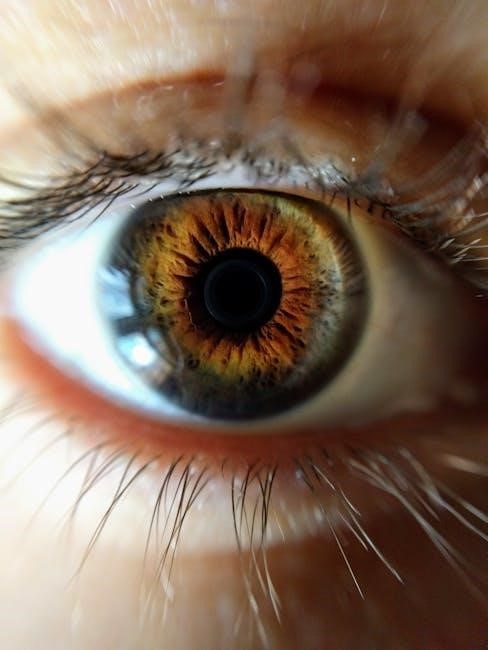
The 7th Edition manual includes a comprehensive Histology Atlas and numerous visual aids to enhance student understanding. High-quality images, diagrams, and illustrations provide detailed views of anatomical structures, while histology slides allow students to examine tissues and cells up close. The atlas is fully integrated with the manual, offering a seamless learning experience. Digital access further enhances visualization, enabling students to zoom in on critical details. These resources help students identify and understand complex structures, making abstract concepts more tangible. The combination of visual and practical tools fosters a deeper appreciation of human anatomy and physiology, aiding in retention and application of knowledge.
Practical Applications and Case Studies
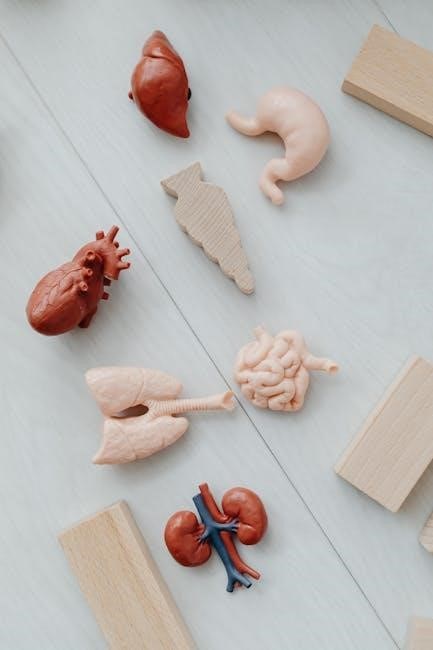
The 7th Edition manual incorporates practical applications and real-world case studies to bridge theory and practice. These features help students apply anatomical and physiological knowledge to clinical scenarios and everyday situations. Case studies present realistic patient profiles, enabling students to analyze symptoms, diagnose conditions, and understand treatment options. Practical applications also include scenarios related to health and wellness, such as exercise physiology and nutrition. These tools foster critical thinking and problem-solving skills, preparing students for careers in healthcare. By connecting lab work to real-life contexts, the manual enhances learning and reinforces the relevance of anatomy and physiology in maintaining human health. This approach makes complex concepts more relatable and engaging.
Conclusion
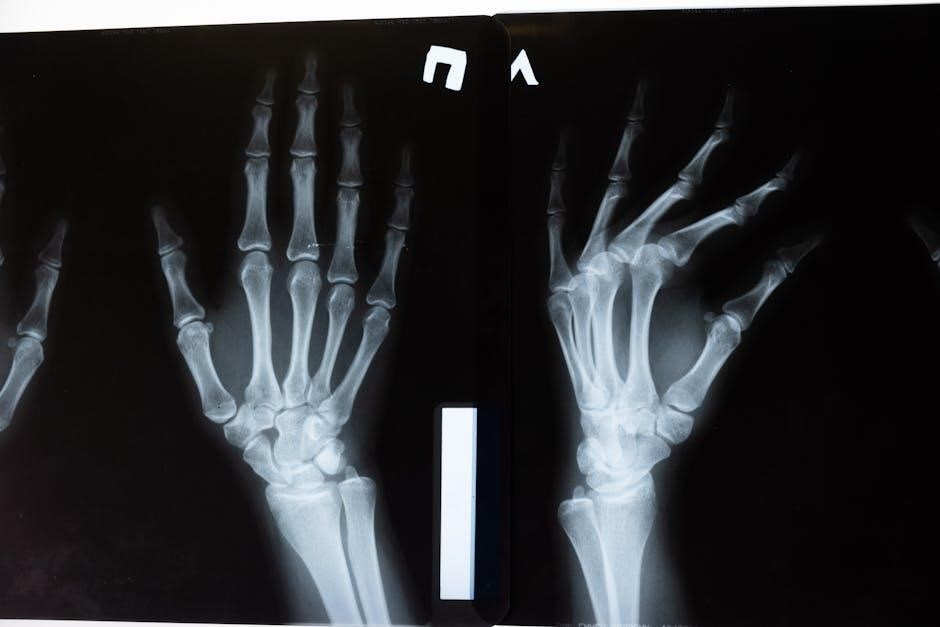
The Anatomy & Physiology Laboratory Manual, 7th Edition, is an indispensable resource for students and educators alike. It combines dynamic activities, visual aids, and practical applications to create a comprehensive learning experience. By integrating real-world case studies and hands-on experiments, the manual bridges the gap between theoretical knowledge and practical skills. Its clear instructions and interactive features make it accessible to learners of all levels. The inclusion of a histology atlas and lab report guidance further enhances its utility. This manual not only supports academic success but also prepares students for future careers in healthcare and related fields. It remains a cornerstone for anatomy and physiology education, fostering a deeper understanding of the human body.