
Evenflo Car Seat Instruction Manual: A Comprehensive Guide
This guide provides essential information for safely using your Evenflo car seat․ Recent recalls, dated December 8, 2024, highlight instruction manual errors potentially leading to incorrect assembly․
Always prioritize correct installation and usage, referencing updated manuals and resources to ensure your child’s safety․ Verify your model and heed all warnings․
Understanding Your Evenflo Car Seat Model
Identifying your specific Evenflo car seat model is the crucial first step․ Evenflo manufactures a diverse range of seats – infant, convertible, and booster – each with unique features and installation requirements․ The model number and manufacturing date are typically located on a label affixed to the car seat’s frame, often near the base or back․
Referencing the correct instruction manual is paramount, as instructions vary significantly between models․ The December 8, 2024, recall emphasizes the importance of using the correct manual, as errors in some publications could compromise safety․ Don’t assume instructions from a similar-looking seat are interchangeable․
Understanding the seat’s capabilities is also vital; Is it rear-facing only, convertible to forward-facing, or designed for booster seat use? Knowing these limitations ensures appropriate usage as your child grows․ Online resources and Evenflo’s support channels can assist in identifying your model and accessing the corresponding manual if the original is misplaced․
Always prioritize the manual specific to your car seat’s model number․
Identifying Car Seat Components
Familiarizing yourself with each component of your Evenflo car seat is essential for correct installation and use․ Key parts include the shell, harness straps, buckle, chest clip, headrest, recline mechanism, LATCH connectors (if equipped), and base (for infant seats)․ The instruction manual provides detailed diagrams labeling each part․
Pay close attention to the harness system․ Understand how to adjust the straps for a snug fit, locate the re-thread path for height adjustments, and properly secure the buckle․ The chest clip’s position is also critical for optimal impact protection․
The LATCH system (Lower Anchors and Tethers for Children), if present, consists of lower anchors and a top tether․ The manual illustrates how to connect and disconnect these anchors securely․ For installations using the vehicle seat belt, identify the belt path and locking mechanism․
The recent recall (December 8, 2024) underscores the need to consult the manual for accurate component identification and usage, avoiding potential misinterpretations․
Safety First: Important Warnings and Precautions
Prioritizing safety is paramount when using an Evenflo car seat․ Always read the entire instruction manual before installation and each time you adjust the seat․ Never use a car seat that has been involved in a moderate to severe crash, as its structural integrity may be compromised․
Strictly adhere to weight and height limits specified for your car seat model․ Using a seat beyond these limits significantly reduces its protective capabilities․ Never leave a child unattended in a car seat․ Ensure the harness straps are snug, allowing no slack, and positioned correctly across the child’s shoulders․
The December 8, 2024 recall highlights the critical importance of following the manual’s instructions precisely․ Incorrect assembly, as identified in the recall, can create a dangerous situation․ Do not modify the car seat in any way․ Regularly check for loose components or damage․
Register your car seat to receive recall notices and safety updates directly from Evenflo․
Installation Guide: LATCH System
The Lower Anchors and Tethers for Children (LATCH) system offers a convenient installation method․ Locate the lower anchor connectors on your vehicle’s seat and align them with the corresponding connectors on the Evenflo car seat․ Ensure a secure connection by listening for a distinct “click․”
Always consult your vehicle’s owner’s manual for specific LATCH system weight limits․ Exceeding these limits may require vehicle seat belt installation․ After connecting the lower anchors, route the top tether strap to the designated anchor point in your vehicle․ Tighten the tether strap to minimize car seat movement․
Verify a snug fit by attempting to move the car seat side-to-side and front-to-back․ Movement exceeding one inch indicates improper installation․ Refer to the instruction manual for detailed diagrams and specific instructions for your Evenflo model․ Remember, recent recalls emphasize the importance of precise assembly․
Double-check all connections before each use to ensure continued safety․
Installation Guide: Vehicle Seat Belt Installation
When the LATCH system isn’t suitable, or weight limits are exceeded, utilize the vehicle’s seat belt for installation․ Route the car seat belt through the designated belt path, as illustrated in your Evenflo instruction manual․ Ensure the belt lies flat and isn’t twisted․
Lock the seat belt by engaging the locking latch plate mechanism – consult your vehicle’s owner’s manual for specific instructions, as methods vary․ Once locked, firmly press down on the car seat while simultaneously pulling the seat belt tight to remove any slack․
A secure installation is crucial․ Attempt to move the car seat side-to-side and front-to-back; movement exceeding one inch indicates a loose fit․ Recent recall notices highlight potential issues stemming from incorrect assembly, so meticulous attention to detail is vital․
Always re-check the belt’s lock and the overall tightness before each journey․ Prioritize safety and consult the manual for model-specific guidance․
Adjusting the Harness Straps
Proper harness strap adjustment is paramount for child safety․ Begin by placing your child securely in the car seat․ The harness straps should originate at or below your child’s shoulders for rear-facing installations, and at or above the shoulders for forward-facing․
To tighten the straps, pull the adjustment strap located at the base of the car seat․ Ensure the straps are snug – you should not be able to pinch any excess webbing at the shoulder․ A properly fitted harness allows only a minimal amount of movement when you attempt to pinch the strap at your child’s collarbone․
Remember, bulky clothing can compromise the harness’s effectiveness․ Avoid using thick jackets or snowsuits․ Recent concerns regarding Evenflo instruction manuals emphasize the importance of following these guidelines precisely to avoid incorrect installation․
Regularly check the harness fit as your child grows, and readjust as needed․ Prioritize a secure and comfortable fit for every ride․
Recline Positions and Proper Usage
Evenflo car seats often feature multiple recline positions designed to accommodate infants and growing children․ Always consult your specific model’s instruction manual to understand the recommended recline angle for your child’s age, weight, and developmental stage․
For newborns and very young infants, a more reclined position is crucial to support their developing necks and maintain an open airway․ As your child grows, gradually adjust the recline to a more upright position․ Recent safety concerns highlighted in recall notices (December 8, 2024) underscore the importance of adhering to these guidelines․
Incorrect recline angles can compromise safety during a crash․ Ensure the car seat is installed on a level surface and that the recline indicator (if equipped) shows the correct position․ Never modify the car seat or use aftermarket products that could interfere with its proper function․
Regularly verify the recline position and adjust as needed to ensure optimal safety and comfort for your child․
Headrest Adjustment for Growing Children
Evenflo car seats with adjustable headrests are designed to grow with your child, providing optimal head and neck support as they develop․ Refer to your car seat’s instruction manual for specific guidance on adjusting the headrest height․
The headrest should be positioned so that the top of the child’s head is level with the highest point of the headrest, or slightly below․ This ensures maximum protection in the event of a collision․ Regular adjustments are essential as children grow rapidly․
Improper headrest positioning can compromise safety․ A headrest that is too low may not adequately protect the head and neck, while one that is too high could restrict movement․ Be mindful of recent recall notices (dated December 8, 2024) which emphasize the importance of following the manual precisely․
Always double-check the headrest lock after each adjustment to ensure it is securely in place․ Prioritize a snug and secure fit for optimal child safety․
Checking for a Secure Installation
A properly installed car seat is crucial for your child’s safety․ Always verify a secure installation after completing either the LATCH or vehicle seat belt installation process, as detailed in your Evenflo instruction manual․ The “inch test” is a vital step – firmly grasp the car seat near the belt path and attempt to move it side to side and front to back․
If the car seat moves more than one inch in any direction, it is not installed tightly enough․ Re-tighten the LATCH straps or vehicle seat belt and repeat the inch test․ Pay close attention to the manual’s instructions regarding load leg usage (if applicable)․
Recent concerns (December 8, 2024 recall) highlight the importance of adhering to the manual’s guidance precisely․ Incorrect assembly can compromise safety․ Regularly check the installation, especially after vehicle movement or any adjustments․ A secure installation minimizes risk during a collision․
Don’t hesitate to seek assistance from a certified Child Passenger Safety Technician (CPST) if you are unsure about the installation process․
Infant Car Seat Specifics (if applicable)
Evenflo infant car seats are designed for newborns and smaller babies, offering a secure and comfortable ride․ Always ensure the base is correctly installed before attaching the carrier, following the LATCH or seat belt instructions meticulously․ Pay close attention to the recline angle; infant car seats require a specific angle to support a baby’s head and neck․
The carrier should “click” securely into the base, with a visual indicator confirming proper attachment․ Verify the harness straps are at the lowest height setting for newborns and adjusted snugly, allowing no more than one finger’s width of space between the strap and the baby’s collarbone․
Be aware of recent concerns (December 8, 2024 recall) regarding potential instruction manual errors impacting safe assembly․ Never use the car seat if you are unsure about any aspect of its installation or usage․ Regularly check the base level indicator to maintain the correct recline․
Consult the manual for weight and height limits to ensure continued suitability as your baby grows․
Convertible Car Seat Specifics (if applicable)
Evenflo convertible car seats offer extended use, transitioning from rear-facing for infants and toddlers to forward-facing for older children․ Initial installation must be rear-facing, adhering strictly to the weight and height limits specified in the manual․ Proper recline is crucial, especially in the rear-facing position, to provide optimal head and spine support․
As your child grows, you’ll convert the seat to forward-facing, adjusting the harness straps and headrest accordingly․ Always utilize the top tether strap when forward-facing to minimize head excursion in a crash․ Ensure the harness straps are at or above your child’s shoulders in forward-facing mode․
Recent concerns (December 8, 2024 recall) highlight potential instruction manual inaccuracies․ Double-check all installation steps, referencing updated resources if needed․ Regularly verify the tightness of the installation and the snugness of the harness․
Pay attention to weight and height limits for both rear-facing and forward-facing modes to ensure continued safety․
Booster Seat Mode (if applicable)
Evenflo convertible car seats often transition to a booster seat mode for older children who have outgrown the harness․ This mode utilizes the vehicle’s seat belt, positioning it correctly across the child’s body․ Ensure your child meets the minimum weight and height requirements before switching to booster mode – consult the manual for specifics․
Proper belt positioning is paramount; the lap belt should lie low and snug across the upper thighs, while the shoulder belt crosses the middle of the shoulder and chest․ Never allow the shoulder belt to cross the neck or face․ Utilize the seat’s belt guides to achieve correct positioning․
Be aware of recent concerns regarding Evenflo instruction manuals (December 8, 2024 recall)․ Verify the booster seat is installed correctly, referencing updated guides if necessary․ Regularly check the vehicle seat belt for proper function and tightness․
Supervise your child to ensure they remain properly positioned in the booster seat throughout the journey․
Cleaning and Maintenance
Regular cleaning and maintenance are crucial for ensuring the longevity and hygiene of your Evenflo car seat․ For minor spills and messes, use a damp cloth with mild soap and water․ Avoid harsh chemicals or abrasive cleaners, as these can damage the fabric and components․
Removable fabric covers are typically machine washable; however, always consult the ‘Fabric Care Instructions’ section of your manual for specific guidelines․ Ensure all parts are completely dry before reassembling the car seat․ Periodically inspect the harness straps and buckles for wear and tear․
Pay attention to potential issues highlighted in the December 8, 2024 recall related to instruction manual errors․ Proper maintenance contributes to safe operation․ Do not attempt to repair damaged parts yourself; refer to the ‘Replacing Damaged Parts’ section․
Regularly vacuum the car seat to remove crumbs and debris, maintaining a clean and safe environment for your child․
Fabric Care Instructions
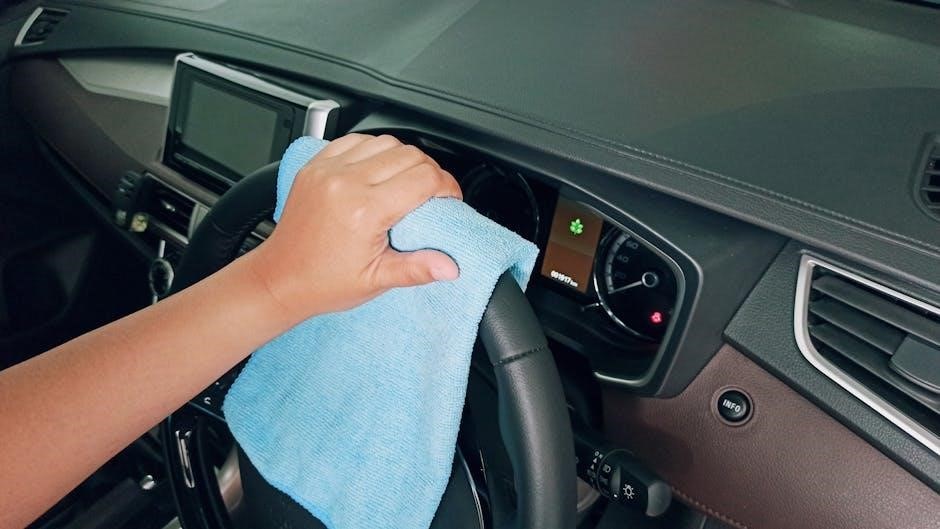
Evenflo car seat fabrics require specific care to maintain their integrity and safety․ Most fabric covers are removable and machine washable, but always check your specific model’s instruction manual for detailed guidance․ Use a mild detergent and a gentle cycle with cold water to prevent fading and shrinkage․
Avoid bleach or fabric softeners, as these can compromise the fabric’s flame-retardant properties․ Line dry the fabric covers; do not tumble dry, as heat can damage the materials․ Ensure the fabric is completely dry before reattaching it to the car seat frame․
Inspect the fabric regularly for tears or wear․ Refer to the ‘Replacing Damaged Parts’ section if any damage is found․ Be mindful of the recent recall (December 8, 2024), which emphasizes the importance of following the correct assembly instructions, potentially impacting fabric alignment․ Proper fabric care ensures a comfortable and safe ride for your child․
Spot clean stains immediately with a damp cloth and mild soap․
Replacing Damaged Parts

Evenflo prioritizes safety; damaged parts must be replaced immediately․ Do not attempt to repair any component yourself․ Contact Evenflo Customer Support to order replacement parts specific to your car seat model․ Provide your car seat’s model number and manufacturing date for accurate ordering․
Replacement parts include harness straps, buckles, chest clips, and fabric covers․ Refer to the ‘Identifying Car Seat Components’ section to correctly identify the damaged part․ The December 8, 2024 recall highlights the critical importance of using only authorized Evenflo replacement parts, as incorrect components can compromise safety․
Installation of replacement parts should be performed carefully, following the instructions provided with the new part and referencing your car seat manual․ If you are unsure about the installation process, contact Evenflo Customer Support for assistance․ Never use a car seat with damaged or non-genuine parts, as this could lead to injury in the event of a crash․ Maintaining genuine parts is crucial for continued safety․

Troubleshooting Common Issues
Difficulty installing the car seat is a common concern․ Ensure the LATCH connectors are securely attached, or the vehicle seat belt is properly threaded․ Double-check the installation against the ‘Installation Guide’ sections․ If the harness straps are difficult to adjust, verify there are no obstructions and the adjustment mechanism is functioning correctly․
A wobbly installation indicates a lack of tightness․ Retighten the LATCH straps or vehicle seat belt․ Refer to ‘Checking for a Secure Installation’ for detailed guidance․ If you suspect an issue related to the December 8, 2024 recall concerning instruction manual errors, immediately review the updated manual available on Evenflo’s website․
For issues not addressed in this manual, contact Evenflo Customer Support․ Do not modify the car seat in any way attempting to fix a problem․ Incorrect modifications can compromise safety․ Always prioritize following the manufacturer’s instructions and seeking professional assistance when needed․ Regularly inspect the car seat for any signs of damage or wear․
Understanding the Recall Notice (December 8, 2024)
On December 8, 2024, Evenflo issued a recall affecting 36,694 Titan 65 car seats․ This recall stems from inaccuracies within the instruction manual, potentially leading to incorrect assembly and compromising child safety․ The primary concern is that parents may unknowingly install the seat improperly, increasing the risk of injury during a crash․

The recall specifically addresses errors in the assembly and usage instructions․ Affected consumers are urged to immediately review the updated instruction manual available on the Evenflo website․ Do not continue using the car seat until you have verified your installation against the corrected instructions․ Evenflo is actively communicating this recall through various channels, including their website and consumer notifications․
This recall highlights the critical importance of accurate and understandable instruction manuals․ If you recently purchased an Evenflo Titan 65, confirm whether your model is included in the recall by checking the product’s manufacturing date․ Prioritize your child’s safety by addressing this issue promptly and following Evenflo’s guidance․
Instruction Manual Errors and Corrections
The recent Evenflo recall (December 8, 2024) pinpointed specific errors within the Titan 65 car seat instruction manual․ These inaccuracies concerned the proper assembly process, potentially leading to an insecure installation․ The errors weren’t related to the car seat’s design itself, but rather how it was explained to be assembled․
Corrections primarily focus on clarifying the steps for attaching the car seat to the vehicle, both using the LATCH system and the vehicle seat belt․ Revised diagrams and more detailed textual explanations have been released to address the ambiguity in the original manual․ Evenflo emphasizes the importance of carefully reviewing these updates before reinstalling the car seat․
Consumers can access the corrected manual on the Evenflo website, ensuring they have the most accurate information․ The company encourages users to discard the original manual to avoid confusion․ These corrections demonstrate Evenflo’s commitment to safety and proactive response to potential risks identified through consumer feedback and internal review․
Registering Your Car Seat
Registering your Evenflo car seat is a crucial step, even if you have carefully reviewed the instruction manual․ Registration allows Evenflo to directly notify you of any safety recalls, updates, or important information regarding your specific model․ This direct communication is vital, especially considering the recent recall on December 8, 2024, concerning instruction manual errors․
Registration is typically a quick and easy online process, requiring information such as the car seat model number, manufacturing date, and your contact details․ You can find the registration link on the Evenflo website or within the car seat packaging․ Keeping your registration information current ensures you receive timely notifications․
Beyond recall notifications, registration also helps Evenflo improve its products and services based on consumer data․ It demonstrates your commitment to child passenger safety and allows you to stay informed about best practices․ Don’t delay – register your Evenflo car seat today for peace of mind․
Finding Additional Resources and Support
Beyond the Evenflo car seat instruction manual, numerous resources are available to ensure proper installation and usage․ Given recent concerns regarding manual accuracy – highlighted by the December 8, 2024 recall – seeking supplemental support is highly recommended․ The Evenflo website offers a comprehensive FAQ section, video tutorials, and downloadable resources․
For personalized assistance, Evenflo’s customer support team is readily available via phone or email․ Certified Child Passenger Safety Technicians (CPSTs) can provide hands-on guidance and verify correct installation․ You can locate a CPST near you through the National Child Passenger Safety Certification program website․
Online forums and communities dedicated to car seat safety offer valuable insights and peer support․ Remember to always cross-reference information with official sources and prioritize safety guidelines․ Utilizing these resources empowers you to make informed decisions and protect your child during every journey․
Car Seat Expiration Dates and Disposal
Evenflo car seats, like all child restraints, have expiration dates․ This isn’t about physical deterioration, but evolving safety standards and potential plastic degradation over time․ Consult your Evenflo instruction manual to determine your specific model’s expiration date – typically 6-10 years from the date of manufacture․
Using an expired car seat compromises its protective capabilities․ Plastics can become brittle, harness systems may weaken, and the seat may not meet current safety regulations․ Proper disposal is crucial․ Do not donate or sell an expired car seat․
To dispose of your seat, remove all identifying labels and render it unusable – cut the straps, remove the cover, and clearly mark it as “Do Not Use․” Check with your local waste management services for specific disposal guidelines․ Remember, a safe car seat is an unexpired car seat; prioritize replacement when the expiration date arrives․
Frequently Asked Questions (FAQs)
Q: What if my instruction manual is missing or damaged? A: Visit Evenflo’s website to download a replacement manual specific to your car seat model and manufacturing date․ Q: What does the recent recall (December 8, 2024) involve? A: It concerns potential errors in the Titan 65 instruction manual regarding assembly, potentially leading to unsafe installation․
Q: How do I know if my car seat is affected by the recall? A: Check Evenflo’s recall notice on their website or the National Highway Traffic Safety Administration (NHTSA) website using your car seat’s model number․ Q: Can I still use my car seat if I haven’t received a recall notice? A: If you own a Titan 65, proactively check for the recall, regardless of notification․
Q: Where can I find additional support? A: Evenflo’s customer service team is available via phone and online chat․ Q: What if I’m unsure about proper installation? A: Seek assistance from a certified Child Passenger Safety Technician (CPST) – find one near you through the NHTSA website․
Understanding Safety Standards and Regulations
Evenflo car seats are engineered to meet or exceed all applicable Federal Motor Vehicle Safety Standards (FMVSS)․ These standards, set by the National Highway Traffic Safety Administration (NHTSA), ensure a minimum level of safety performance in crash scenarios․ However, the recent December 8, 2024 recall highlights the critical importance of correctly following the instruction manual․
Compliance isn’t solely about meeting standards; it’s about proper usage․ Errors in the manual, like those identified in the Titan 65 recall, can compromise safety even if the seat itself meets regulations․ Parents must verify they are using the car seat according to the most up-to-date instructions, available on Evenflo’s website․
Regularly check the NHTSA website for updates on safety standards, recalls, and best practices for child passenger safety․ Understanding these regulations empowers parents to make informed decisions and ensure their child’s protection during travel․ Proper installation and adherence to weight/height limits are paramount․
Proper Storage of Your Evenflo Car Seat
When not in use, proper storage of your Evenflo car seat is crucial to maintain its integrity and functionality․ Avoid storing the car seat in direct sunlight for extended periods, as UV rays can degrade the plastic components and fabric․ Furthermore, extreme temperatures – both hot and cold – can negatively impact the seat’s materials․
If storing for an extended time, ensure the car seat is clean and dry․ Store it in a cool, dry place, away from moisture and potential contaminants․ Do not store heavy objects on top of the car seat, as this could damage the internal structure or harness system․ Remember the importance of the instruction manual!
Always refer to your specific model’s manual for detailed storage recommendations․ Given recent concerns regarding instruction manual accuracy (December 8, 2024 recall), verify you have the latest version․ Proper storage contributes to the longevity and safety of your Evenflo car seat, ensuring it’s ready when you need it․