
Biblical Definition of Freedom in Christ

Freedom in Christ is biblically defined as liberation from sin, granted by grace. It is the gift of reconciliation, where believers walk in the Spirit, breaking bondage through repentance and faith. This freedom becomes a daily, transformative journey toward holiness. It invites believers to live in victory!!.
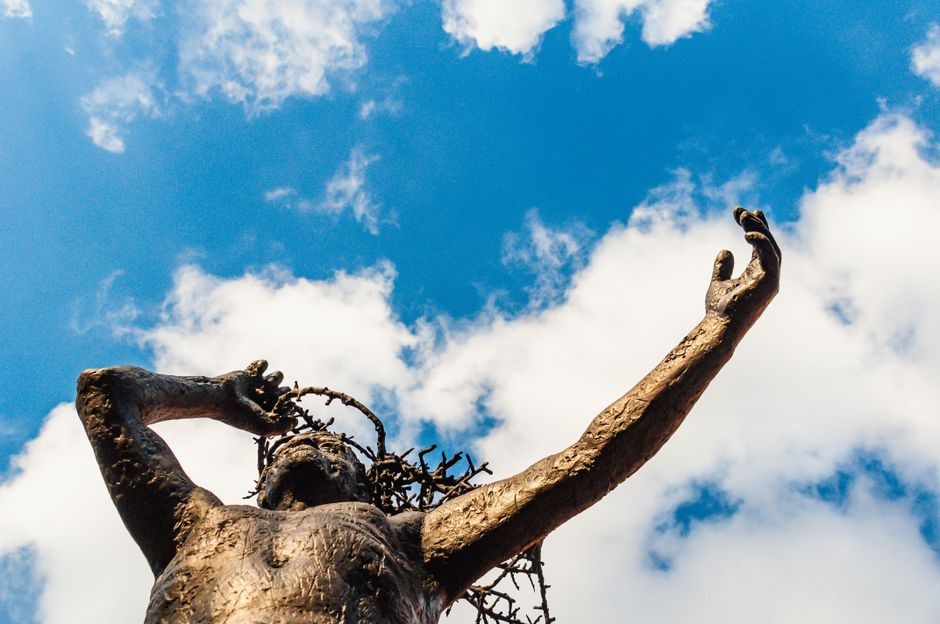
The Role of Repentance in Spiritual Freedom

Repentance is the turning point where the heart acknowledges sin and seeks God’s mercy, initiating spiritual freedom. It breaks chains, restores relationship, and invites the Holy Spirit to guide new life. True repentance transforms fear into hope, enabling believers to walk in liberty. Embrace new life.!
2.1 Understanding Repentance
Repentance, in biblical terms, is a heartfelt turning away from sin and a sincere turning toward God. It involves a conscious acknowledgment of wrongdoing, a genuine sorrow for the offense, and a firm resolve to change behavior. The process is not merely an apology but a transformative reorientation of the mind and heart. Scripture teaches that repentance is the first step toward true freedom, for it breaks the bondage of guilt and opens the way for divine forgiveness. In the New Testament, Jesus calls the repentant to a new life, urging believers to “turn and be saved” (Acts 2:38). This turning is both an inward confession and an outward commitment to live differently. The Holy Spirit plays a pivotal role, guiding the repentant to recognize hidden sins and to cultivate a spirit of humility. As the heart renews, the believer experiences a profound sense of liberation, no longer bound by past transgressions. Repentance also fosters a deeper relationship with God, allowing the believer to receive the fullness of grace and to walk in the freedom that Christ offers. It is a continual practice, not a one‑time event, requiring ongoing self‑examination and reliance on God’s sustaining grace. Through persistent repentance, believers grow in humility, aligning their will with God’s purposes, and experience the fullness of freedom that Christ offers, living as a testimony of His grace and love!!! This journey shapes identity, making them instruments of hope, reflecting Christ’s love to world in need!!!!

Faith as the Key to Entering Freedom
Faith is the bridge that moves the soul from bondage to liberty. By trusting Christ’s sacrifice, believers receive divine assurance, enabling them to step beyond fear and doubt. This trust ignites a life of hope, purpose, and unshakable freedom today always!!
3.1 The Power of Faith
Faith, the cornerstone of Christian liberty, transforms the believer’s heart from bondage to empowerment. Scripture teaches that faith is the means by which the soul receives the gift of salvation (Ephesians 2:8‑9) and the assurance of walking in freedom (Hebrews 10:38). When a person embraces Christ, faith becomes a living force that dissolves the chains of fear, doubt, and sin. The steps to freedom in Christ, often compiled in instructional PDFs, outline a practical roadmap: first, acknowledge the need for repentance; second, place trust in Jesus’ atoning work; third, commit to daily prayer and Scripture study; fourth, engage in community fellowship; and fifth, live out the fruit of the Spirit. Each step is anchored in the belief that faith is a continual, dynamic relationship with God. As the apostle Paul writes, “Faith comes from hearing the message, and the message is heard through the word of Christ” (Romans 10:17). Therefore, the power of faith is magnified when believers immerse themselves in the Word, allowing it to shape their thoughts, actions, and decisions. The PDF guides often emphasize the importance of setting spiritual goals, tracking progress, and celebrating milestones, reinforcing the idea that faith fuels perseverance and resilience. Ultimately, the power of faith is revealed in the believer’s transformation—from a state of spiritual bondage to a life of victorious freedom, empowered by the Holy Spirit to pursue God’s purpose and to reflect His love in every sphere of life.!!!!!!!

Baptism: Symbolic Entry into Freedom
Baptism symbolizes the believer’s death to sin and rebirth in Christ, marking the first step toward freedom. It publicly declares faith, unites the soul with the church, and invites the Holy Spirit to empower daily living in liberty. This act initiates spiritual renewal. It marks a covenant of grace now!
Baptism is the visible sign of an inward transformation, a public declaration that the believer has entered into the covenant of grace, symbolizing death to sin and rebirth in Christ, and the promise of new hope. Through immersion, the believer symbolically joins the body of Christ, sharing in His death and resurrection, affirming commitment to live in the Spirit and obey God’s will, and bear fruit daily! By baptism also serves as a covenantal promise, assuring believers that God will keep the covenant of salvation, marking the beginning of a lifelong journey toward sanctification, and grow in grace!!! The significance of baptism extends beyond the individual; it unites believers with the global church, creating a community bound by shared faith and mutual encouragement for growth and service! Baptism reminds believers that freedom in Christ is not merely personal but a communal reality, where each member supports and encourages one another in the pursuit of holiness for a brighter tomorrow. In the steps to freedom in Christ PDF, baptism is presented as the first concrete step, a foundational act that prepares the heart for deeper spiritual growth, empowering believers to walk in freedom. Moreover, baptism invites believers to continually renew themselves, to seek the Holy Spirit’s guidance, and to cultivate a heart that listens to God’s voice, fostering daily obedience for joy. Each time believers reflect on their baptism, they are reminded of the promise that they are no longer slaves to sin but are free to serve God, living in the liberty that Christ offers daily!.
Holy Spirit Empowerment and Freedom
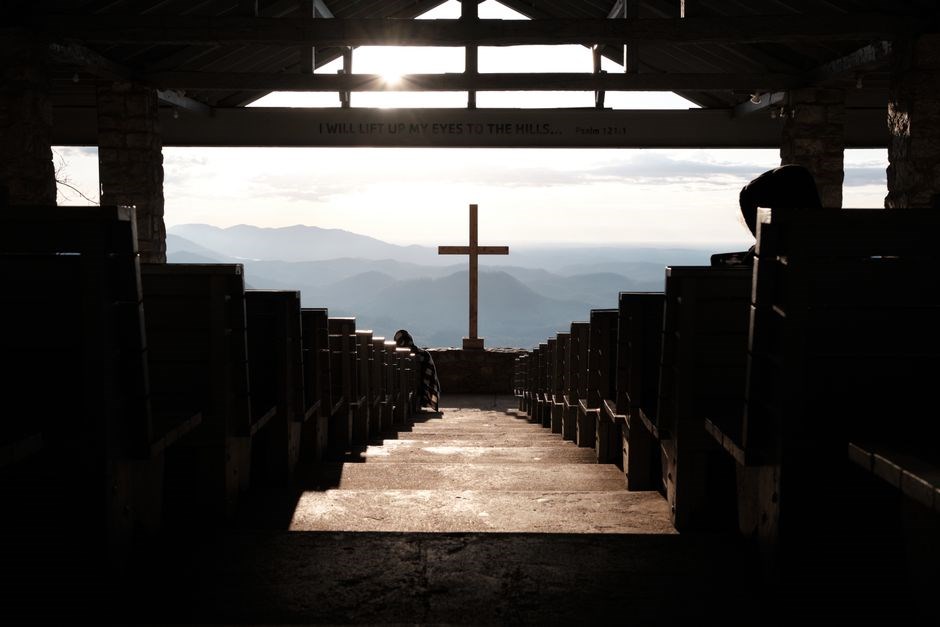
The Holy Spirit ignites freedom, guiding believers beyond fear into divine purpose. Through conviction and renewal, the Spirit transforms hearts, enabling obedience, courage, and love. This presence turns spiritual steps into lasting liberty, fulfilling Christ’s promise of true freedom. for all believers
5.1 The Role of the Holy Spirit
The Holy Spirit is the catalyst that transforms the believer’s journey toward freedom. In the “steps to freedom in Christ” framework, the Spirit first convicts the heart, revealing the depth of sin and the need for repentance. This conviction is followed by the gift of the Spirit’s power, enabling believers to break the chains of guilt and fear. By empowering the mind with divine wisdom, the Spirit guides individuals through each step—recognizing sin, confessing it, and surrendering to God’s will. The Spirit also equips the faithful with spiritual gifts, such as discernment, courage, and love, which are essential for living out the freedom promised in Scripture. As believers grow in the Spirit, they experience a continual renewal of the mind, a deeper sense of purpose, and an increasing ability to resist temptation. The Holy Spirit’s presence turns the abstract promise of freedom into a lived reality, ensuring that each step toward Christ’s grace is supported by divine strength and guidance. When the Holy Spirit moves within, the believer’s heart becomes a fertile ground where the seeds of hope, joy, and peace are planted, nurtured, and allowed to grow beyond the limitations of the flesh, creating a life that reflects the glory of God and invites others into the same liberating experience. Moreover, the Spirit’s empowerment equips the believer with discernment to recognize false doctrines, the courage to confront injustice, and the humility to serve others, weaving a freedom that church and transforms society!! Spirit guides believers toward liberty!

Sanctification: Growing in Freedom
Sanctification is the process of becoming more like Christ, where the Holy Spirit works to remove sin and cultivate virtues. Each step—repentance, prayer, Scripture study, fellowship—strengthens freedom, deepening trust and empowering believers to live victoriously.
6.1 The Process of Sanctification

Sanctification is a lifelong journey where the believer, empowered by the Holy Spirit, gradually conforms to the image of Christ. It begins with a heartfelt confession of sin, followed by a deliberate turning away from ungodly patterns. Daily Scripture meditation, prayer, and fellowship with other believers reinforce this transformation. The Spirit works within the heart to renew thoughts, replace pride with humility, and cultivate virtues such as love, patience, and self‑control. As the believer yields to God’s guidance, the fruit of the Spirit becomes evident, reflecting a deeper alignment with divine will. This progressive sanctification is not a one‑time event but an ongoing process of growth, where each step toward holiness strengthens spiritual freedom and deepens the believer’s confidence in God’s grace. Through this continual renewal, the Christian life moves from mere compliance to a vibrant, dynamic partnership with Christ, ultimately fulfilling the purpose of being set free from sin’s dominion and living in the fullness of God’s promise. In this ongoing journey, believers are encouraged to continually seek the Holy Spirit’s guidance, allowing His transformative power to reshape their hearts, minds, and actions, thereby cultivating a life that reflects Christ’s love, hope, and righteousness, and ultimately living in the fullness of divine grace and eternal purpose. Thus, the believer’s life becomes a testament to God’s redeeming love, inviting others to experience same freedom joy that Christ offer.!

Deliverance from Sin and Surrender
Deliverance begins when we surrender our will, confessing every sin and inviting the Holy Spirit to cleanse our hearts. Through prayer, Scripture, and community, we break chains, grow in grace, live freely trusting mercy to guide our steps toward in liberation.
7.1 Overcoming Sinful Habits
Overcoming sinful habits requires a three‑step spiritual strategy: confession, substitution, and accountability. First, confess each habit before God, acknowledging its root in pride or fear. Scripture (James 5:16) urges believers to confess to one another, creating a safe space for repentance. Second, replace the old pattern with a new, Christ‑centered practice. For instance, replace late‑night scrolling with prayer or Scripture reading, using the Holy Spirit’s guidance to fill the void. Third, enlist a trusted accountability partner—someone who can pray with you, offer encouragement, and gently confront you when the old habit resurfaces. Regularly review progress in a journal, noting victories and setbacks, and adjust the plan accordingly. This intentional, prayerful, community‑based approach aligns with 1 John 1:9, reminding us that God forgives and purifies us when we confess. By committing to these steps, believers transform habitual sin into evidence of growth, experiencing true freedom in Christ. This disciplined practice, rooted in Scripture, ensures that each victory over a habit becomes a testimony of the Holy Spirit’s work. By documenting setbacks, believers learn to rely on grace, not self‑effort, and to seek the Spirit’s power daily. Such intentionality cultivates a resilient faith that withstands temptation, turning every struggle into a step toward complete freedom in Christ. When Spirit leads, grows bold, and fear of failure dissolves, replaced assurance that Christ’s victory is secured.
Living a Victory‑Focused Christian Life
Living a victory‑focused Christian life means choosing Christ over comfort day, practicing gratitude, setting spiritual goals, praying for strength, and celebrating small wins; Trust God’s plan, share grace, and let faith guide every step toward freedom in.
8.1 Practical Steps to Live in Freedom
Step 1: Daily Scripture. Begin each morning by reading a short passage, reflecting on God’s promise of freedom. This anchors your mind in truth and reminds you that liberty is a present reality, not a future hope.
Step 2: Confession and Repentance. Set aside time to confess sins, acknowledging that bondage ends when you turn away. Acknowledge the power of the Holy Spirit to cleanse and renew.
Step 3: Prayerful Dependence. Cultivate a habit of praying for strength to resist temptation. A prayer is the channel through which freedom is sustained.
Step 4: Community Accountability. Join a small group or fellowship where you can share struggles and victories. Mutual encouragement reinforces the reality of living in freedom.
Step 5: Service and Generosity. Offer time or resources to help others. Serving frees your heart from self‑centeredness and aligns it with Christ’s mission.
Step 6: Worship and Praise. Regularly sing or meditate on God’s love. Praise shifts focus from fear to joy, reinforcing the sense of liberation.
Step 7: Continuous Growth. Read theological books, attend seminars, and seek mentorship. Knowledge deepens understanding of freedom’s depth and how to walk it daily.
Step 8: Celebrate Small Victories. Keep a journal of moments when you chose freedom over sin. Celebrate these wins to build confidence and remind yourself that freedom is ongoing. Step 9: Trust the Journey. Freedom is a process, not a destination. Let each prayer, decision, act of love affirm grace that moves you forward toward Christ’s fullness!