
The 2024 Dodge Hornet offers a blend of performance and technology, accessible via web browsers or desktop applications, ensuring seamless communication and connectivity for all users.

Overview of the Vehicle
The 2024 Dodge Hornet marks a significant entry for Dodge into the compact utility vehicle segment, blending performance-inspired styling with modern technology. This vehicle is designed to appeal to a diverse range of drivers seeking a dynamic and connected driving experience. Whether accessing features through a mobile device, tablet, or desktop, the Hornet prioritizes reliable and private messaging and calling.
Available in both traditional gasoline and plug-in hybrid powertrains, the Hornet offers versatility to suit various lifestyles. The plug-in hybrid variant enhances efficiency while maintaining the spirited performance Dodge is known for. Utilizing WhatsApp Web or the desktop application allows for easy file sharing and message synchronization across devices.
The Hornet’s design incorporates bold lines and aggressive cues, reflecting its performance intentions. Accessing the vehicle’s features via a web browser or dedicated application ensures a user-friendly experience, mirroring the convenience of the mobile app. Staying connected is effortless, regardless of your chosen device.
Target Audience & Key Features
The 2024 Dodge Hornet primarily targets young, active individuals and families seeking a stylish and technologically advanced compact SUV. These drivers value both performance and connectivity, desiring a vehicle that seamlessly integrates into their digital lifestyles. Accessing features through WhatsApp Web or the desktop app mirrors this desire for constant connection.
Key features include a sophisticated infotainment system, advanced driver-assistance systems (ADAS), and a choice between a turbocharged gasoline engine or a plug-in hybrid powertrain. The plug-in hybrid model offers electric-only driving range, appealing to environmentally conscious buyers. Reliable messaging and calling, available on multiple platforms, are central to the Hornet experience.
The Hornet’s design emphasizes a sporty aesthetic, while the interior prioritizes comfort and functionality. Utilizing a web browser or desktop application for vehicle information access provides convenience and ease of use. Staying informed and connected, whether on the go or at home, is a core benefit of Hornet ownership.

Understanding Your Hornet’s Systems
Hornet systems integrate seamlessly, mirroring the accessibility of WhatsApp Web – offering reliable communication and control through various platforms for a connected driving experience.
Engine and Performance Specifications
The 2024 Dodge Hornet presents a compelling powertrain lineup designed for spirited driving. The standard engine is a 2.0-liter turbocharged four-cylinder, delivering an impressive 265 horsepower and 295 lb-ft of torque. This engine is paired with a responsive nine-speed automatic transmission, ensuring smooth and efficient gear changes. For those seeking even greater performance, the Hornet R/T boasts a plug-in hybrid system combining a 1.3-liter turbocharged engine with electric motors, achieving a combined output of 326 horsepower and 425 lb-ft of torque.
This hybrid configuration utilizes a six-speed automatic transmission and provides an all-electric range of approximately 32 miles, allowing for emissions-free driving in certain conditions. Both powertrains offer a dynamic driving experience, enhanced by the Hornet’s standard all-wheel-drive system. This system intelligently distributes power between the front and rear wheels, optimizing traction and stability in various driving scenarios, much like the reliable connectivity offered through platforms like WhatsApp Web and Desktop.
Transmission and Drivetrain Details
The 2024 Dodge Hornet’s transmission choices are intrinsically linked to its engine options, optimizing performance and efficiency. The 2.0-liter turbocharged engine utilizes a sophisticated nine-speed automatic transmission, providing smooth, quick shifts and contributing to a responsive driving experience. This transmission features paddle shifters for manual gear selection, granting drivers greater control. The Hornet R/T, with its plug-in hybrid powertrain, employs a six-speed automatic transmission specifically calibrated to work in harmony with the electric motors and gasoline engine.
Both models benefit from a standard all-wheel-drive (AWD) system. This intelligent AWD system continuously monitors wheel speed and traction, distributing torque between the front and rear axles as needed. Similar to the instant connectivity of WhatsApp Web, the AWD system reacts quickly to changing road conditions, enhancing stability and grip. The system can seamlessly transition between two-wheel drive and four-wheel drive, maximizing efficiency and performance, ensuring a confident and controlled driving experience in all weather conditions.
Charging System (for Plug-in Hybrid Models)
The 2024 Dodge Hornet R/T’s plug-in hybrid system utilizes a robust charging system designed for convenience and efficiency, much like the accessible nature of WhatsApp Web. It supports Level 1 and Level 2 charging. Level 1 charging, using a standard 120-volt household outlet, provides a slower charge, typically adding several miles of range per hour. Level 2 charging, requiring a 240-volt outlet and dedicated charging station, significantly reduces charging time, offering a full charge overnight.
The vehicle incorporates a charging port located on the front fender for easy access. A full charge with a Level 2 charger takes approximately 2.5 hours. The charging system includes onboard diagnostics to monitor charging status and ensure optimal performance. Like the reliable messaging of WhatsApp, the system provides clear indicators of charging progress. The Hornet R/T offers an estimated all-electric range, allowing for emissions-free driving for shorter commutes, mirroring the instant connectivity offered by modern technology.

Operating Your 2024 Dodge Hornet
Enjoy seamless control and connectivity with your Hornet, mirroring the ease of WhatsApp Web access on any device, for a truly integrated driving experience.
Starting and Stopping the Vehicle
To start your 2024 Dodge Hornet, ensure the vehicle is in Park (P) and firmly press the brake pedal. Then, press the ignition button – no key is required! The instrument cluster will illuminate, and the vehicle will be ready to operate. For a smooth start, gently depress the accelerator pedal.
Stopping the vehicle is equally straightforward. Simply bring the Hornet to a complete stop by gently applying the brakes. Shift the gear selector into Park (P) and engage the parking brake for added security. The engine will automatically shut off when the vehicle is placed in Park. Remember to always fully engage the parking brake, especially on inclines.

Important Note: The Hornet features a keyless ignition system, similar to the convenient access offered by WhatsApp Web on your computer. Always keep the key fob within the vehicle for optimal performance. Familiarize yourself with these procedures for a safe and enjoyable driving experience.
Driving Modes and Their Functions
The 2024 Dodge Hornet offers several driving modes to tailor your experience. Hybrid Mode maximizes fuel efficiency, seamlessly blending electric and gasoline power – akin to accessing WhatsApp Web for efficient communication. Electric Mode prioritizes all-electric driving for short distances, reducing emissions.
Sport Mode sharpens throttle response and steering feel, delivering a more engaging driving experience. This mode is ideal for spirited driving. Eco Mode further optimizes fuel economy by adjusting engine and transmission settings. Finally, Auto Mode intelligently selects the optimal driving mode based on your driving conditions.
To switch modes, use the selector located on the center console. The selected mode will be displayed on the instrument cluster. Experiment with each mode to discover which best suits your preferences and driving needs, much like exploring the various features of WhatsApp Desktop!
Using the Infotainment System
The 2024 Dodge Hornet’s infotainment system is your central hub for connectivity and control, functioning similarly to WhatsApp Web’s interface for accessing messages. The large touchscreen display provides access to audio, navigation, vehicle settings, and more. Swipe and tap to navigate through menus, mirroring the ease of use found in modern messaging apps.
Key features include Apple CarPlay and Android Auto compatibility, allowing seamless smartphone integration. Bluetooth connectivity enables hands-free calling and audio streaming. Utilize the voice command system for convenient control while keeping your eyes on the road. The system also supports over-the-air updates, ensuring your software is always current.
Customize your home screen by adding frequently used apps and widgets. Explore the settings menu to personalize the system to your preferences. Regular updates, like those for WhatsApp Desktop, enhance functionality and security.
Navigation System Operation
The 2024 Dodge Hornet’s navigation system provides reliable guidance, much like accessing WhatsApp Web from different devices – ensuring you’re connected wherever you go. Input your destination using the touchscreen, voice command, or by selecting from your saved locations. The system displays turn-by-turn directions with clear visual and audio cues.
Real-time traffic updates help you avoid congestion, rerouting you to the fastest possible path. Points of interest (POI) are readily searchable, including gas stations, restaurants, and charging stations for plug-in hybrid models. Map views can be adjusted for 2D or 3D perspective.
Regular map updates are crucial for accuracy, similar to software updates for WhatsApp. These can be downloaded over-the-air or via a USB drive. Explore advanced features like lane guidance and speed limit display for a more informed driving experience. Save frequently visited locations for quick access.

Safety Features and Operation
The 2024 Dodge Hornet prioritizes occupant protection, offering advanced systems for secure travel, mirroring the reliable connectivity of WhatsApp Web across devices.
Advanced Driver-Assistance Systems (ADAS)
Your 2024 Dodge Hornet is equipped with a suite of Advanced Driver-Assistance Systems (ADAS) designed to enhance safety and simplify the driving experience. These systems utilize sensors and cameras to monitor the vehicle’s surroundings and provide assistance in various driving situations.
Forward Collision Warning with Active Braking alerts you to potential frontal impacts and can automatically apply the brakes to mitigate or avoid a collision. Lane Departure Warning notifies you if the vehicle drifts from its lane, and Lane Keeping Assist gently steers the vehicle back into its lane. Adaptive Cruise Control maintains a set distance from the vehicle ahead, automatically accelerating and braking as needed.
Blind Spot Monitoring alerts you to vehicles in your blind spots, while Rear Cross Path Detection warns of approaching traffic when reversing. Automatic Emergency Braking can intervene in certain emergency situations. Familiarize yourself with the operation and limitations of each ADAS feature for optimal safety. Remember these systems are assistive and do not replace attentive driving.
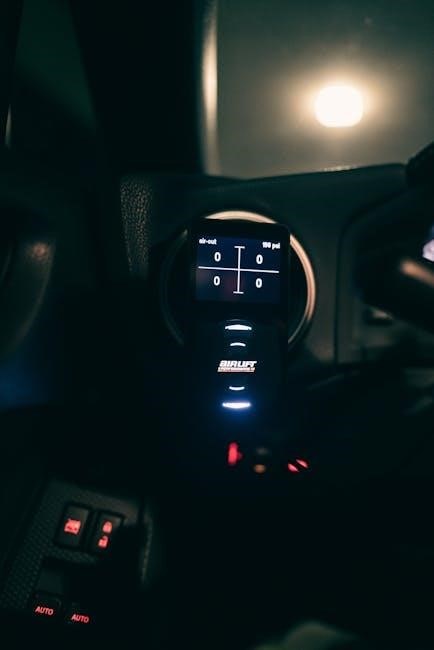
Airbag System Information
Your 2024 Dodge Hornet is equipped with an advanced airbag system designed to provide occupant protection in the event of a collision. This system includes front airbags, side-curtain airbags, and potentially seat-mounted side airbags, depending on the trim level.
Front airbags deploy in moderate to severe frontal impacts, while side-curtain airbags deploy in side impacts to protect the head and torso. Seat-mounted side airbags offer additional protection in side impacts. The airbag system is designed to work in conjunction with seat belts; always wear your seat belt for optimal protection.
The airbag system has sensors located throughout the vehicle that detect the severity and type of impact. Deployment is not guaranteed in all collisions. Factors such as impact speed, angle, and seat occupancy influence deployment. Never place rear-facing child seats in the front passenger seat if the airbag cannot be deactivated. Regularly inspect the airbags for any signs of damage or tampering.
Emergency Braking Procedures
In an emergency situation requiring rapid deceleration of your 2024 Dodge Hornet, utilize firm and consistent pressure on the brake pedal. Avoid “pumping” the brakes, as this can reduce braking effectiveness. If your Hornet is equipped with Anti-lock Braking System (ABS), you may feel a pulsating sensation in the brake pedal during hard braking – this is normal and indicates ABS is functioning correctly.
Maintain firm pressure on the brake pedal even while ABS is active. Steer in the direction you want the vehicle to go; ABS allows you to maintain steering control during braking. Be aware of road conditions, as braking distances are increased on slippery surfaces.

If equipped, the Automatic Emergency Braking (AEB) system can assist in preventing or mitigating collisions. However, AEB is not a substitute for attentive driving. Always remain vigilant and prepared to brake manually. Familiarize yourself with the AEB system’s limitations as outlined in the vehicle’s full owner’s manual.

Maintenance and Care
Regular maintenance is crucial for optimal performance. Consistent fluid checks, timely replacements, and proper tire care will ensure your 2024 Dodge Hornet remains reliable and safe.
Recommended Maintenance Schedule
To ensure the longevity and optimal performance of your 2024 Dodge Hornet, adhering to a strict maintenance schedule is paramount. Every 7,500 miles or six months, whichever comes first, schedule an oil and filter change, tire rotation, and a comprehensive multi-point inspection. This inspection should cover vital components like brakes, fluids, belts, and hoses.
At 15,000 miles, in addition to the 7,500-mile services, have the engine air filter replaced and the cabin air filter inspected. By 30,000 miles, consider replacing the brake fluid and inspecting the cooling system. For plug-in hybrid models, specific battery and electrical system checks are recommended at designated intervals.
It’s also vital to regularly inspect and maintain tire pressure, alignment, and tread depth. Following this schedule, detailed in your owner’s manual, will help prevent unexpected repairs and maintain your Hornet’s value. Keep detailed records of all maintenance performed for warranty purposes and resale value.
Fluid Checks and Replacements
Maintaining proper fluid levels is crucial for the health of your 2024 Dodge Hornet. Regularly check the engine oil using the dipstick, ensuring it’s within the marked range. Inspect the coolant level in the reservoir when the engine is cold, and top up as needed with the correct type. Brake fluid should also be checked periodically, looking for any decrease in level which could indicate a leak.
Power steering fluid, if applicable, requires regular inspection. For the plug-in hybrid model, specific coolant requirements for the battery system must be followed. Transmission fluid checks are typically less frequent, but consult your owner’s manual for recommended intervals. Windshield washer fluid should be topped up frequently for optimal visibility.
Replacement intervals vary based on driving conditions. Generally, coolant should be flushed and replaced every 36,000 miles, and brake fluid every 30,000 miles. Always use manufacturer-approved fluids to avoid damaging your Hornet’s systems.
Tire Information and Maintenance
Proper tire care is essential for safety and performance of your 2024 Dodge Hornet. Locate the tire pressure information on the sticker located on the driver’s side doorjamb. Regularly check tire pressure with a reliable gauge when tires are cold, aiming for the recommended PSI. Underinflated tires reduce fuel efficiency and increase wear, while overinflated tires compromise ride comfort.
Visually inspect tires for uneven wear, cuts, bulges, or embedded objects. Rotate your tires every 5,000 to 7,500 miles to promote even wear and extend their lifespan. Tire rotation patterns are detailed in your owner’s manual. Ensure correct tire alignment to prevent premature or uneven wear.
Tread depth is critical for maintaining grip, especially in wet conditions. Use a tread depth gauge or the penny test to assess remaining tread. Replace tires when they reach the wear bars or a depth of 2/32 of an inch. Always replace tires in pairs or all four for balanced handling.

Troubleshooting Common Issues
Addressing minor problems promptly can prevent escalation. Reliable messaging and calling, available on various devices, ensures consistent connectivity for assistance and information access.
Dealing with Warning Lights
Understanding warning lights is crucial for maintaining your 2024 Dodge Hornet’s optimal performance and ensuring your safety. These lights illuminate on the instrument cluster to alert you to potential issues, ranging from minor maintenance needs to critical system failures. Ignoring these signals could lead to more significant and costly repairs.
Solid warning lights generally indicate a current issue requiring attention. Flashing lights often signify a more urgent problem that needs immediate investigation. Refer to your vehicle’s information system or this manual for a detailed explanation of each light’s meaning. Common lights include the check engine light, oil pressure warning, battery warning, and brake system warning.
If a red warning light illuminates, especially one accompanied by a message on the infotainment screen, safely pull over as soon as possible and consult a qualified mechanic. For amber or yellow lights, you typically have some time to address the issue, but it’s best not to delay. Consistent access to reliable communication, via devices connected through WhatsApp Web or Desktop, can help you quickly seek assistance or guidance if needed.
Jump Starting Procedures
If your 2024 Dodge Hornet’s battery is depleted, a jump start can get you back on the road. However, it’s vital to follow the correct procedure to avoid damaging your vehicle’s electrical system. First, ensure both vehicles are turned off. Position the assisting vehicle close enough for the jumper cables to reach, but avoid contact between the cars.
Connect the red (positive) cable to the positive terminal of the discharged battery, then to the positive terminal of the assisting battery. Next, connect the black (negative) cable to the negative terminal of the assisting battery. Finally, connect the other black cable to a grounded metal surface on your Hornet, away from the battery.
Start the assisting vehicle and let it run for a few minutes. Then, attempt to start your Hornet. If it starts, carefully disconnect the cables in the reverse order of connection. Maintaining connectivity through platforms like WhatsApp Web can be helpful for coordinating assistance if needed during this process. Allow your Hornet to run for at least 20 minutes to recharge the battery;
Basic Roadside Assistance
Should you encounter trouble with your 2024 Dodge Hornet, several basic roadside assistance steps can be taken. First, ensure your safety by pulling over to a safe location, activating your hazard lights, and, if possible, placing warning triangles. Assess the situation – is it a flat tire, a dead battery, or another mechanical issue?
For a flat tire, consult your owner’s manual for the location of the spare tire and jack. If you’re uncomfortable changing it yourself, or the situation is unsafe, contact roadside assistance. Utilizing communication tools like WhatsApp Web can facilitate quick contact with assistance providers.
For minor mechanical issues, a quick inspection might reveal a loose gas cap or a simple fix. However, for more complex problems, it’s best to call for professional help. Remember to have your vehicle identification number (VIN) and location readily available when requesting assistance. Prioritize safety and avoid attempting repairs in hazardous conditions.